Boo-tiful Soul: The True Spirit of Casper the Friendly Ghost
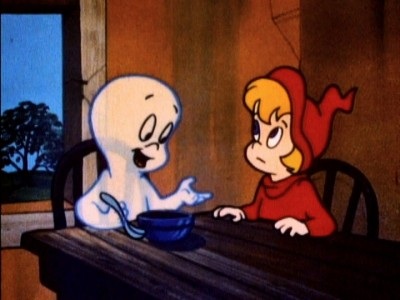
Long before CGI spectacles and cinematic ghostbusting teams, there was one little ghost who didn’t want to scare a soul—literally. Casper the Friendly Ghost floated into pop culture as a gentle-hearted apparition who challenged the very idea of what a ghost should be. And in doing so, he became one of the most enduring symbols of kindness, acceptance, and being true to oneself—even when you’re the odd one out.
The Birth of a Friendly Phantom
Casper’s story begins not in a haunted mansion, but at the drawing board. He was created by Seymour Reit and Joe Oriolo in the late 1930s, originally as a storybook character. The idea was refreshingly simple: a ghost who didn’t want to haunt or horrify. Instead, Casper longed for friendship, laughter, and connection—a stark contrast to the usual ghoulish suspects populating Halloween tales.
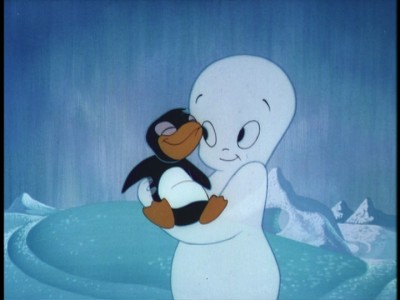
Paramount Pictures took notice and introduced Casper to the world in the 1945 cartoon short The Friendly Ghost, produced by the legendary animation studio Famous Studios. Unlike his spooky spectral peers, Casper was immediately charming with his soft voice, big eyes, and a heart as pure as a freshly laundered bedsheet.
A Ghost with a Pulse
What made Casper different was not just his non-threatening demeanor—it was his desire to be accepted. In every cartoon short, Casper begins with hope in his heart (or ectoplasm?) only to be met with screams and fear. Yet he never stops trying. His resilience wasn’t played for laughs—it was a gentle call for empathy.
In many ways, Casper served as a mirror to any child—or adult—who felt out of place. Whether you were the new kid at school, someone who looked different, or just didn’t quite “fit in,” Casper’s longing for connection resonated deeply.
The genius of Casper’s appeal lies in how the cartoons subtly presented big ideas through a very small ghost. Themes of prejudice, loneliness, and acceptance weren’t spoon-fed; they floated in the background, softly stitched into every “boo!” and every hopeful hello.
The Spirit of Kindness
Casper may have been animated, but his message was very real: You don’t have to change who you are to be loved. The very premise flips the horror genre on its head—here’s a ghost, arguably a monster, who is the moral compass of every story.
Casper befriended animals, kids, and even bullies-turned-buddies. His kindness often transformed fear into friendship, and his perseverance turned rejection into redemption. And in a post-war America of the 1940s and ’50s, a time when conformity was king, Casper’s gentle rebellion against what he was “supposed” to be spoke volumes.
Everlasting Afterlife
Casper’s popularity soared through the decades—appearing in comic books, TV specials, and eventually full-length films. Yet no matter the medium, the core of his character never changed. He was always the little ghost who just wanted to be a friend.
And maybe that’s why, even in 2025, his story still matters. In a world where so many are judged by appearances or feared for being different, Casper remains a timeless reminder that real strength lies in kindness. That true courage is choosing empathy—even when it’s easier to hide under a sheet and give up.
So next time you see that familiar, smiling ghost, remember: Casper doesn’t just haunt our screens—he lifts our spirits. And that’s a legacy worth believing in.